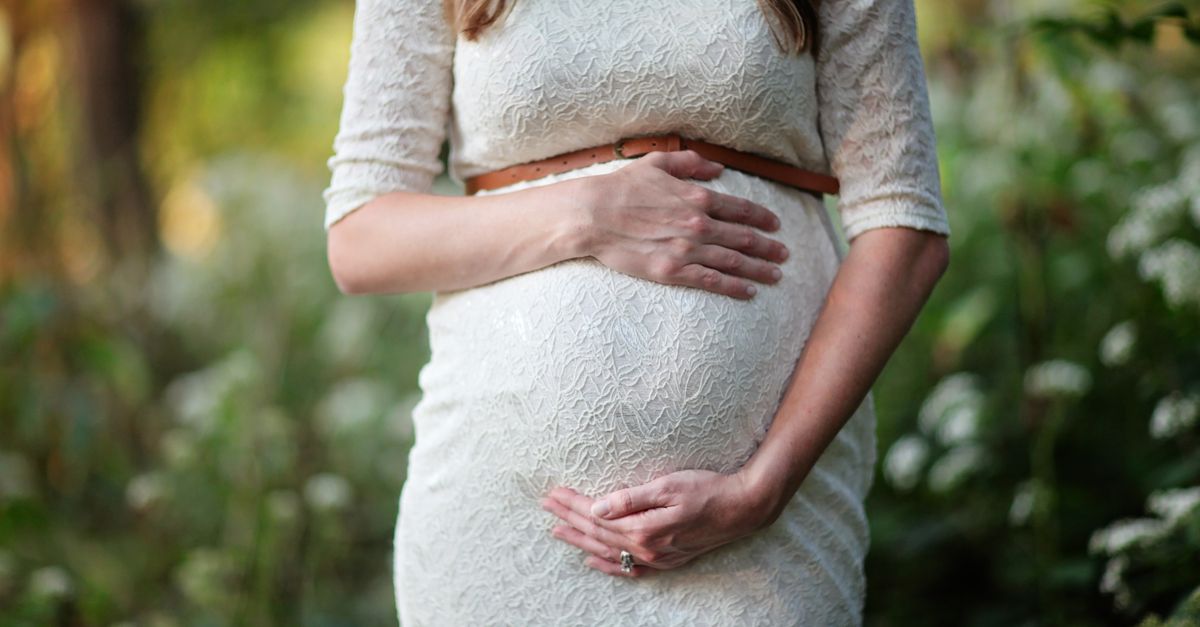
Quitting smoking is one of the most important things you can do for your baby's health - and it is never too late. Every cigarette you don't smoke reduces the risks to your pregnancy. Evidence from the WHO, NHS, and CDC is clear: stopping smoking at any stage of pregnancy brings real, measurable benefits.
How Smoking Affects Pregnancy
Smoking during pregnancy exposes both the mother and the developing baby to thousands of harmful chemicals, including carbon monoxide, nicotine, and cyanide. These substances restrict the oxygen and nutrients reaching the baby through the placenta, with serious consequences.
According to the NHS, WHO, and CDC, smoking during pregnancy is associated with:
- Low birth weight: Babies born to mothers who smoke are on average 200g lighter than those born to non-smokers. Low birth weight increases the risk of health problems in infancy and later life.
- Premature birth: Smoking significantly increases the risk of delivering before 37 weeks. Premature babies face higher risks of breathing problems, infection, and developmental delays.
- Placental problems: Smoking increases the risk of placenta praevia (placenta covering the cervix) and placental abruption (placenta separating from the uterus wall), both of which are serious complications that can endanger the mother and baby.
- Sudden Infant Death Syndrome (SIDS): The CDC notes that babies born to mothers who smoke during pregnancy are 2–3 times more likely to die from SIDS (also known as cot death).
- Miscarriage and stillbirth: Smoking increases the risk of both miscarriage and stillbirth compared to non-smoking pregnancies.
- Ectopic pregnancy: Smoking is associated with an increased risk of ectopic pregnancy, in which the fertilised egg implants outside the uterus.
Benefits of Quitting at Any Stage
It is never too late to stop smoking during pregnancy. The sooner you quit, the greater the benefit - but stopping at any point during your pregnancy improves outcomes for both you and your baby.
- Quitting in the first trimester dramatically reduces the risks of low birth weight, premature birth, and placental complications. Babies born to women who quit early in pregnancy have similar birth weights to those born to non-smokers.
- Quitting in the second trimester still significantly reduces the risk of having a premature baby and improves placental function and foetal growth during the critical third trimester.
- Quitting in the third trimester reduces the risk of SIDS and improves the oxygen supply to your baby in the final weeks of development - even stopping in the last few weeks makes a difference.
Your own health also benefits immediately. Quitting smoking improves circulation, reduces the risk of blood clots, and gives your lungs and immune system a chance to begin recovering - supporting a healthier delivery and postnatal recovery.
Safe Ways to Quit During Pregnancy
The safest approach to quitting smoking during pregnancy is to stop entirely, ideally with professional support. There are several evidence-based options:
- Behavioural support and counselling: This is the first-line recommendation for pregnant women. NHS Stop Smoking Services provide free specialist support, and counselling has been shown to be highly effective, particularly when delivered by midwives or healthcare professionals who have an ongoing relationship with the mother.
- Nicotine Replacement Therapy (NRT): NRT - such as patches, gum, or lozenges - is far safer during pregnancy than continuing to smoke. The NHS states that NRT can be used during pregnancy if behavioural support alone has not worked. NRT delivers nicotine without the thousands of other harmful chemicals in cigarette smoke. However, you should consult your midwife, GP, or obstetrician before starting NRT during pregnancy, as intermittent-dosing forms (gum, lozenges, inhalator) are generally preferred over 24-hour patches. Avoid nicotine-containing e-cigarettes during pregnancy as the evidence on their safety is still limited.
- Prescription medication: Varenicline (Champix/Chantix) and bupropion are not currently recommended during pregnancy due to limited safety data. Always discuss medication options with your healthcare provider.
If you are pregnant and want to quit smoking, speak to your midwife or GP as soon as possible. They can refer you to specialist stop smoking support and advise on the safest options for you and your baby.
Secondhand Smoke During Pregnancy
Secondhand smoke - also called passive smoke - poses significant risks during pregnancy, even if you yourself do not smoke. If a partner, family member, or colleague smokes near you, you and your baby are exposed to many of the same harmful chemicals as a smoker.
The WHO and CDC link exposure to secondhand smoke during pregnancy to increased risks of:
- Low birth weight
- Premature birth
- SIDS in infants
- Respiratory problems in newborns
If someone in your household smokes, it is important to ask them not to smoke indoors or near you. Open windows and ventilation do not eliminate the risk - chemicals from secondhand smoke linger on surfaces and in fabrics (sometimes called "thirdhand smoke") for hours after the cigarette is extinguished. Encouraging your partner to quit alongside you can be enormously beneficial for both of you and for your baby's long-term health.
Frequently Asked Questions
Nicotine patches can be used during pregnancy if other methods have not worked and you are still smoking. The NHS states that NRT is far safer than continuing to smoke. However, you should consult your midwife, GP, or obstetrician before using NRT during pregnancy. Intermittent-dosing forms such as gum or lozenges are often preferred over 24-hour patches, as they reduce overall nicotine exposure. A healthcare professional will advise on the best option for your individual situation.
No - quitting smoking does not cause miscarriage. In fact, smoking significantly increases the risk of miscarriage, so quitting reduces this risk. There is no evidence that the process of quitting smoking or nicotine withdrawal increases the risk of miscarriage. Any discomfort or anxiety during withdrawal is not harmful to your pregnancy.
Your first point of contact should be your midwife or GP, who can refer you to specialist stop smoking services. In England, the NHS Stop Smoking Service provides free specialist support including counselling and NRT. In the US, the CDC's Quit Line (1-800-QUIT-NOW) offers support for pregnant women. The WHO also provides guidance on cessation support resources available globally at who.int.