What Happens 8 Hours After Quitting Smoking
What's Happening in Your Body
By the eight-hour mark, your body has been working hard to clear tobacco's most immediately toxic byproduct: carbon monoxide. This milestone brings one of the most dramatic early changes in your recovery.
Carbon monoxide levels drop by approximately 50%. Carbon monoxide (CO) is produced by the incomplete combustion of tobacco. CO binds to haemoglobin - the protein in red blood cells that carries oxygen - with an affinity roughly 200 times greater than oxygen itself. This means CO displaces oxygen, starving your tissues of the oxygen they need. After 8 hours without a cigarette, the level of carboxyhaemoglobin (haemoglobin bound to CO) in your blood falls by roughly half. (Source: NHS)
Nicotine levels decline significantly. Nicotine has a half-life of approximately two hours, meaning that after 8 hours, your blood nicotine levels are less than 1% of their peak. This is the period when withdrawal symptoms begin to intensify as your brain craves its next dose. (Source: WhyQuit.com, citing Benowitz NL et al.)
Blood oxygen levels begin returning to normal. As CO is cleared from your haemoglobin, your blood can carry oxygen more efficiently. Your tissues - heart, brain, muscles - begin to receive better oxygenation. You may not feel this yet, but it is happening. (Source: NHS)
This is typically the period when the first real wave of withdrawal hits. Understanding that these uncomfortable feelings are a sign your body is healing can help you push through.
What You'll Feel
The 8-hour mark often coincides with the peak of the first wave of nicotine withdrawal. Nicotine levels have fallen sharply and your brain is responding.
Expect intense cravings. These are the brain's cry for nicotine - they feel urgent and compelling, but they are not dangerous and they will pass. Each craving typically lasts 3–5 minutes.
Irritability, anxiety, and difficulty concentrating are common. Nicotine affects dopamine pathways in the brain; without it, mood regulation becomes temporarily disrupted. These feelings are a normal part of the process and will improve as your brain chemistry readjusts.
You may feel fatigue or lightheadedness. Paradoxically, as your oxygen levels improve and CO is cleared, some people feel temporarily tired or slightly lightheaded - this is your body recalibrating.
You may also notice increased hunger. Nicotine suppresses appetite; as it clears your system, your appetite begins to return. Having healthy snacks on hand will help.
How to Cope
Remind yourself the craving will pass. At this stage, cravings can feel overwhelming - but they peak within minutes. Counting to 300 (five minutes) while doing deep breathing is a reliable technique used in clinical quit-smoking programmes.
Stay busy and distracted. The first eight hours of quitting are best spent with a full schedule. Work, exercise, household tasks, social activities - anything that keeps your mind occupied reduces the power of cravings.
Consider nicotine replacement therapy (NRT). Patches, gum, lozenges, and inhalers provide controlled, low-dose nicotine to ease withdrawal without the thousands of chemicals in cigarette smoke. Used correctly, NRT can double your chances of quitting successfully. (Source: NHS)
Eat regular, light meals. Stable blood sugar helps stabilise mood and reduces the intensity of cravings. Avoid skipping meals and keep healthy snacks available.
Avoid triggers. If coffee, alcohol, or certain social situations were strongly linked to smoking for you, avoid them in the early hours and days of quitting.
The Science
Carbon monoxide's half-life in the human body is approximately 4–5 hours in normal atmospheric conditions, meaning that after 8 hours without smoking, CO levels have dropped by roughly half. The elimination of CO from carboxyhaemoglobin follows first-order kinetics - the rate of decrease is proportional to the current level. (Source: NHS - Quit Smoking)
Nicotine's plasma half-life is approximately 2 hours (range 1–4 hours depending on the individual). After 8 hours, plasma nicotine is well below 1% of peak levels achieved during active smoking. The brain's nicotinic acetylcholine receptors - which have been chronically upregulated by smoking - begin to respond to the absence of nicotine with withdrawal symptoms. (Source: Benowitz NL. "Nicotine addiction." NEJM 2010; cited by ACS)
The WHO and CDC both confirm that blood oxygen levels normalise rapidly as CO is cleared - one of the first measurable signs of cardiovascular recovery.
Frequently Asked Questions
Carbon monoxide levels in your blood drop by approximately 50% within 8 hours of your last cigarette. CO has a half-life of around 4–5 hours in the body, so by the 8-hour mark, roughly half of the CO that was bound to your haemoglobin has been eliminated. Your blood's oxygen-carrying capacity begins to recover as a result.
Yes - for most people, withdrawal symptoms intensify over the first 24–72 hours before peaking and then gradually declining. The 8-hour mark is often the start of the first significant wave. Individual cravings are short-lived (3–5 minutes), but they may feel frequent and intense. Nicotine replacement therapy, prescribed medications (varenicline, bupropion), and behavioural support strategies all significantly reduce this discomfort.
Yes. Nicotine replacement therapy (NRT) - patches, gum, lozenges, nasal spray, inhalers - is safe and recommended from the moment you quit. NRT provides a controlled, low dose of nicotine without the carbon monoxide, tar, and other toxins in cigarette smoke. The NHS recommends NRT and notes it can roughly double your chances of successfully quitting. Always follow dosage instructions or consult your pharmacist or doctor.
Related Articles
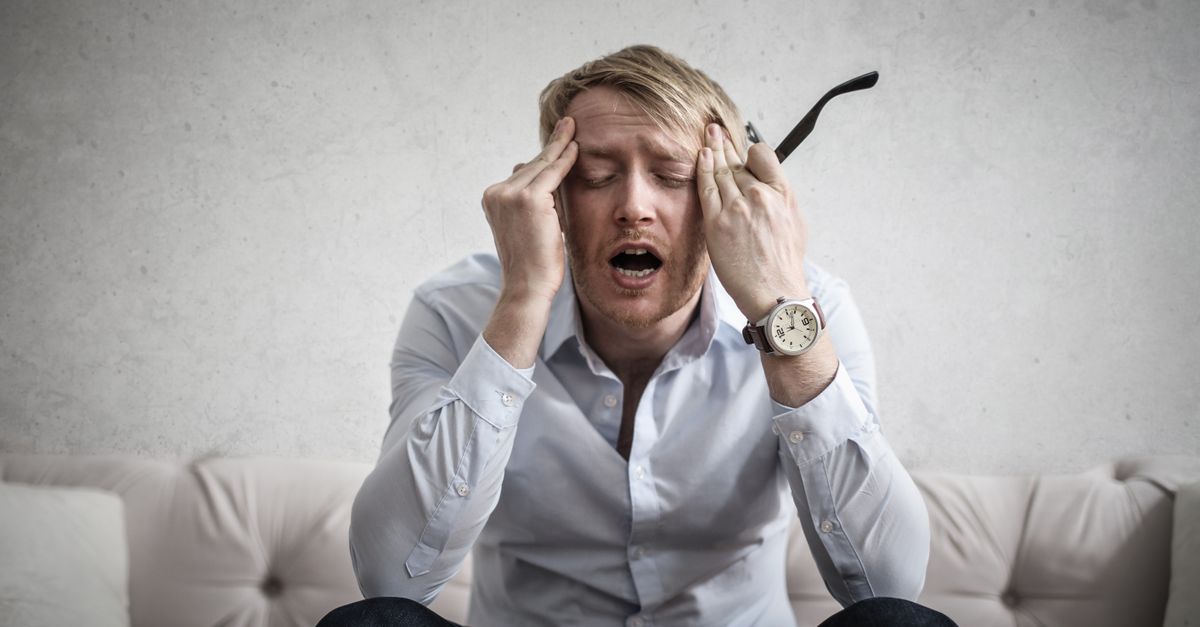
Nicotine Withdrawal Symptoms: A Day-by-Day Guide
What happens to your body during nicotine withdrawal? A day-by-day guide to withdrawal symptoms - from day 1 anxiety to week 4 mood improvement - backed by NHS, CDC and ACS data.

Dealing with Cigarette Cravings
Learn science-backed strategies to overcome cigarette cravings. Cravings last just 3–5 minutes - discover the 4 Ds, NRT options, and trigger management.