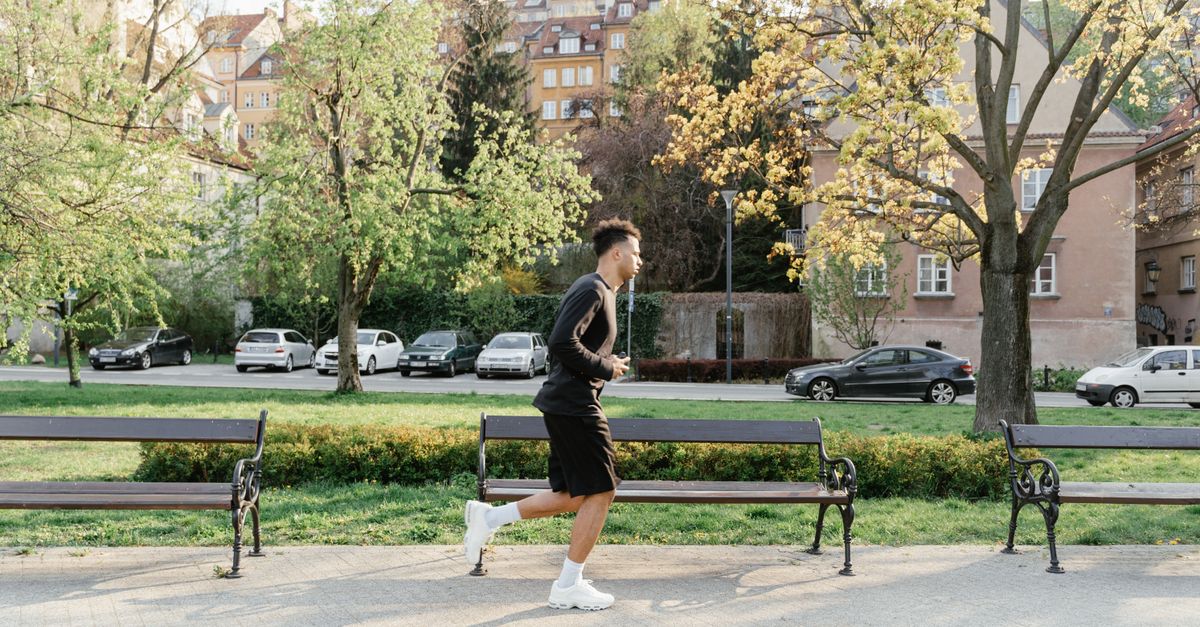
Exercise is one of the most underused tools in smoking cessation - yet the evidence for its effectiveness is compelling. Research shows that even a single short bout of physical activity can dramatically reduce the urge to smoke, while regular exercise supports lung recovery, improves mood, and helps manage the weight gain that many quitters fear.
Exercise Reduces Cravings
A landmark 2013 review by Haasova et al., published in the journal Addiction, examined multiple studies on exercise and cigarette cravings. The findings were striking: a single bout of moderate-intensity exercise - such as a brisk 10–15 minute walk - was found to reduce the desire to smoke by approximately 50% for the duration of the activity and for a period afterwards.
Several mechanisms explain why exercise reduces cravings:
- Dopamine release: Exercise triggers the release of dopamine - the same neurotransmitter that nicotine activates in the brain's reward pathway. This natural dopamine hit partially substitutes for the dopamine surge that smoking provides, temporarily satisfying the craving without a cigarette.
- Distraction and time-filling: Cravings typically peak and pass within 3–5 minutes. Physical activity provides a healthy distraction that helps get through this window.
- Stress reduction: Exercise is a well-established tool for managing stress and anxiety - two of the most common triggers for reaching for a cigarette.
- Improved mood: The mood-lifting effects of exercise (via endorphins and serotonin) directly counter the low mood and irritability of nicotine withdrawal.
The NHS recommends exercise as a practical craving-busting strategy, noting that even a 5-minute walk can be enough to take the edge off a strong urge to smoke.
Starting Slowly - Your Lungs Need Time
If you are a smoker or have recently quit, it is important to start any new exercise programme gently. Smoking damages the lungs' ability to take in oxygen and clear mucus, and fitness levels may be lower than you expect. Pushing too hard too soon can be discouraging and risks injury.
What to expect in the early weeks:
- Increased coughing: As the cilia (tiny hairs in the airways) begin to recover and the lungs start clearing out mucus and tar deposits, you may cough more when you exercise. This is normal and a sign that your lungs are healing, not a cause for concern.
- Breathlessness: You may feel more breathless than expected at first. This is normal - damaged lungs and reduced cardiovascular fitness from smoking mean your body is working harder. This improves steadily with each week of not smoking and regular movement.
- Fatigue: The energy demands of quitting (the body is adjusting to life without nicotine's stimulant effect) can make you feel tired. Gentle exercise is actually energising over time, but be patient with yourself in the first two weeks.
Start with 10–15 minutes of gentle activity per day - a walk, gentle cycling, or light stretching. Gradually increase duration and intensity as your fitness and lung capacity improve.
Best Types of Exercise After Quitting
The best exercise for quitting smoking is whatever you will actually do consistently. However, some types of exercise have particular benefits for ex-smokers:
- Walking: The most accessible starting point. Brisk walking for 20–30 minutes most days meets NHS physical activity guidelines and has strong evidence for reducing cravings. It is low-impact, free, and can be done anywhere. Even a 5-minute walk during a craving is effective.
- Swimming: An excellent option because it is low-impact on the joints and requires controlled, deep breathing - which actively exercises the lungs and helps them recover capacity. Swimming is particularly good for smokers who find other cardio exercise makes them cough excessively.
- Yoga and Pilates: Both emphasise controlled breathing, which is directly beneficial to lung recovery. Yoga also has good evidence for reducing anxiety and stress - key psychological triggers for smoking. The mindfulness aspect of yoga can help with craving management too.
- Cycling: Gentle cycling (whether outdoors or on a stationary bike) is good for cardiovascular fitness without high impact. It can be adjusted easily to match your current fitness level.
- Strength training: Building muscle mass helps offset any modest weight gain from quitting and improves metabolic health. Even two sessions per week of bodyweight exercises has meaningful benefits.
Aim to work up to the NHS recommendation of at least 150 minutes of moderate-intensity activity per week over the first few months after quitting - but start wherever you are and build gradually.
Lung Recovery and Exercise
One of the most motivating aspects of quitting smoking combined with exercise is the speed of lung recovery. According to the NHS and CDC, lung function begins to improve within days of quitting - and exercise accelerates this recovery.
Timeline of lung recovery after quitting (with exercise):
- Within 24–48 hours: Carbon monoxide is cleared from the body. The lungs begin to clear out mucus and debris. The risk of a heart attack starts to fall.
- Within 2 weeks: Lung capacity measurably improves. Many ex-smokers notice they can exercise for longer without becoming breathless. Circulation improves, making physical activity easier.
- 1–3 months: Cilia regrow in the airways, improving the lungs' ability to clear mucus. Exercise tolerance continues to improve. Coughing and breathlessness during activity decrease noticeably.
- 1–9 months: Lung function improvement is significant - the NHS notes that many ex-smokers can take on physical challenges at this stage that would have been impossible when smoking.
- Long term: While some damage from years of heavy smoking cannot be fully reversed, the risk of lung disease continues to fall with each year of not smoking and each year of regular exercise.
Exercise provides a direct, tangible measure of how much your lungs are recovering - making it one of the most motivating choices you can make when quitting.
Frequently Asked Questions
You can start gentle exercise immediately - in fact, using exercise to manage cravings from day one is encouraged. Start with light activity such as 10–15 minute walks and build up gradually. If you have existing health conditions, particularly heart or lung conditions, speak to your GP before starting a new exercise programme. Most people who were previously sedentary smokers find that gentle daily walking is a safe and effective starting point.
Yes - the research is clear. A 2013 systematic review (Haasova et al., Addiction) found that a single bout of moderate exercise reduces the desire to smoke by approximately 50% during and after the activity. Short walks of 5–15 minutes are sufficient. Exercise works by triggering dopamine release, providing distraction during the 3–5 minute peak of a craving, and reducing the stress and anxiety that often prompt the urge to smoke.
Exercise alone is unlikely to prevent all weight gain after quitting, but it significantly helps. The average weight gain after quitting is 4–5 kg (about 8–11 lbs), driven by the metabolic effect of nicotine and changes in appetite. Regular aerobic exercise burns calories and builds metabolic rate, while strength training maintains muscle mass and helps the body manage weight more effectively. Combined with mindful eating, regular exercise can substantially reduce post-quit weight gain and is far healthier than continuing to smoke to control weight.
Sources
Sources: NHS - Using exercise to beat smoking; CDC - Quit Smoking; Haasova M. et al. (2013), "The acute effects of physical activity on cigarette cravings: systematic review and meta-analysis with individual participant data," Addiction; NHS - Health benefits of stopping smoking.